
Hope Grows When Trust Begins: How one therapist’s work in Treatment Foster Care changed her own life

When Theresa Hannegan graduated with her counseling degree eight years ago, she only applied to one potential place of employment: Marygrove.
“I knew this was where I wanted to be,” she said. “Marygrove works with kids some people shy away from. They’re the ones with behavior challenges, deep trauma and sometimes no active family. Those are the kids I’ve always felt called to help.”
For Theresa, that calling has its roots in her Catholic faith and in the example of St. Teresa of Calcutta. “I admired Mother Teresa growing up,” she said. “At first, I thought I might serve overseas in places like India or Haiti. But I realized there’s deep suffering here, too, not just physical poverty, but emotional suffering and psychological wounds. That kind of pain can be even harder to heal from.”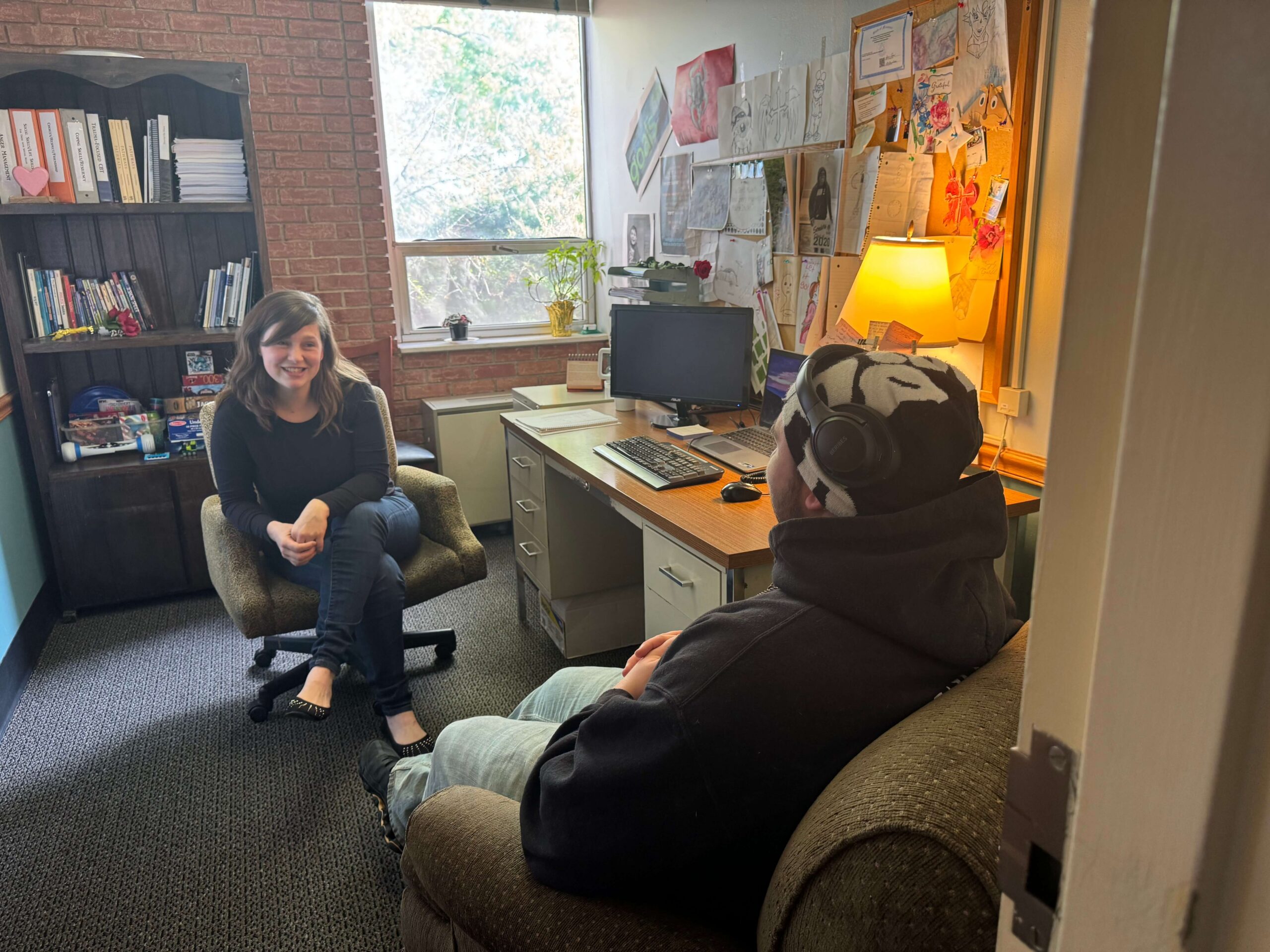
At Catholic Charities of the Archdiocese of St. Louis’ ministry Marygrove, Theresa serves a dual role: licensed professional counselor and case manager for children in Treatment Foster Care. It’s a unique combination that allows her to provide therapy and build trust with the children, then step outside the therapy room to connect foster parents with resources as they address challenges in the home.
“That’s the beauty of my roles,” she said. “I’m not just hearing what a child needs in therapy; I can act on it.”
Trust is the Turning Point
One of the most powerful moments in her work, Theresa says, is when a child’s guardedness begins to melt.
“At first, they’re suspicious. They’ve been let down so many times. But when they start to trust you — when they believe you like them and you want them to be there — everything changes. Their behavior improves, they do better in school, they just function better.”
She recalls one young man in particular. He entered Marygrove’s residential program after repeated disruptions in care. “It didn’t seem like anything was getting through to him,” she said. “I wondered if he’d ever be able to have stable relationships.”
But then he was matched with a foster father who was patient, consistent and totally unshaken by the boy’s setbacks. “He let him make mistakes and didn’t give up on him. He did set firm boundaries and the boy felt safe, but he never took the behavior personally. Over time, trust grew into a strong relationship.”
Years later, most of the boy’s behavioral issues have faded. He graduated from high school and has a healthy connection with his foster father, something that once seemed out of reach.
The Power of Feeling Wanted
That connection, Theresa says, is at the heart of successful foster care.
“I’ve seen kids force a placement to end because they didn’t feel liked,” she said. “And I’ve seen kids thrive because they knew their foster parents genuinely wanted them to be there. When a child feels wanted, they can stop living in survival mode. They can relax and grow.”
Treatment Foster Care makes that connection even more critical. The children in TFC have higher needs and fewer available placements. “We have a lot of people willing to foster babies or toddlers,” Theresa explained. “But for Treatment-level Foster Care, it’s much harder to find people willing to say yes. That’s why good foster parents are so needed.”
Redefining Hope
When she started, Theresa thought success meant “fixing” kids or helping them heal, graduate and find good employment.
“It happens for some,” she said. “I have a girl who says her foster mom saved her life. But with others, there are factors you can’t control. If you define success too narrowly, you’ll lose hope.”
Over the years, her perspective has shifted. “Now, my hope is more mature. I might hope a child learns self-worth, builds one healthy relationship or reconnects with a birth parent. These are victories, even if they don’t fit society’s definition of success.”
That change in outlook has been one of the most profound ways her work has changed Theresa.
Learning to See People
“To keep from burning out, you have to learn to really see the children, see who they are, not just their behavior. You see their beauty and their pain. When you come to understand where they’re coming from, the true natural response is to love them. And once you love someone, you can put up with a lot. You stick with them.”
That love, she says, keeps her coming back, even on hard days. “I picture the kids I’m working with, and I know I can’t walk away from that. It’s meaningful every single day.”
“I’ve learned to measure hope differently, to celebrate victories big and small. That changes them. And it changes you.”
If you are interested in becoming a foster parent, know someone who might be interested or have questions, please complete our foster parent interest form.